
Why Your HVAC System Smells Bad
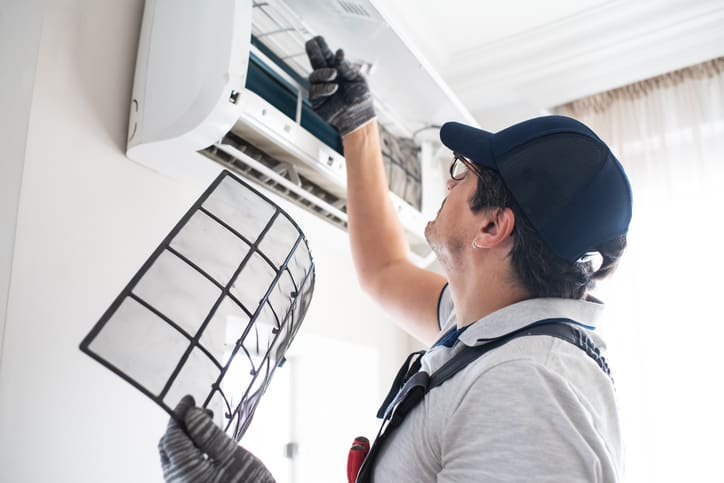
Unpleasant odors coming from HVAC vents can make your home uncomfortable and may indicate underlying problems within the heating and cooling system.
Identifying the source of these odors helps determine whether simple maintenance or professional repair is needed.
Dirty Air Filters
Air filters trap dust, debris, and airborne particles.
If filters become clogged or dirty, odors may circulate through the duct system.
Replacing filters regularly helps eliminate many odor issues.
Mold or Mildew Growth
Moisture inside HVAC components can lead to mold growth.
Common locations include:
- Evaporator coils
- Drain pans
- Ductwork
Mold often produces a musty smell that spreads through the home when the system runs.
Cleaning the affected components can help remove the odor.
Burnt Dust Smell
At the start of the heating season, furnaces may produce a burning smell.
This occurs when dust that accumulated on heating components burns off.
The odor usually disappears after the furnace runs for a short period.
Electrical Burning Odors
A strong burning or electrical smell may indicate a serious problem.
Possible causes include:
- Overheated wiring
- Motor failure
- Electrical component malfunction
If you smell burning plastic or electrical odors, turn off the system and contact an HVAC technician immediately.
Pest Infestation
Rodents or insects may sometimes enter ductwork or HVAC units.
In rare cases, pests may become trapped inside the system, creating unpleasant odors.
Duct cleaning or pest removal may be required.
Final Thoughts
Most HVAC odors are caused by dirty filters, mold growth, or dust buildup. Regular maintenance and filter replacement can prevent many odor problems.
Need Professional Help?
Some home projects are better handled by a professional. Angi can help you find local professionals for repairs, maintenance, remodeling, and other home projects. Click the link below to find a local pro in your area.

Find a Local Pro →https://www.kqzyfj.com/click-101849128-17142830
Affiliate disclosure: We may earn compensation if you use links on this page.

Article Disclaimer
The information provided in this article by YourRealEstateAdviser.com is for informational and educational purposes only and should not be considered legal, financial, real estate, or professional advice.
While we strive to provide accurate and up-to-date information related to real estate, markets, buying, selling, and investing, we make no guarantees regarding the completeness, accuracy, or reliability of any content.
Real estate decisions involve significant financial and legal considerations. You should consult with a licensed real estate agent, attorney, financial advisor, or other qualified professional in Kentucky or your applicable jurisdiction before making any decisions.
Any examples, projections, or potential outcomes discussed are illustrative only and are not guarantees of results. Your outcomes may vary based on market conditions and individual circumstances.
This article may contain affiliate links. We may earn a commission at no additional cost to you if you choose to make a purchase through these links.
By reading this article, you acknowledge that you are solely responsible for your decisions and actions.