
How to Research a Neighborhood Before Buying a Home
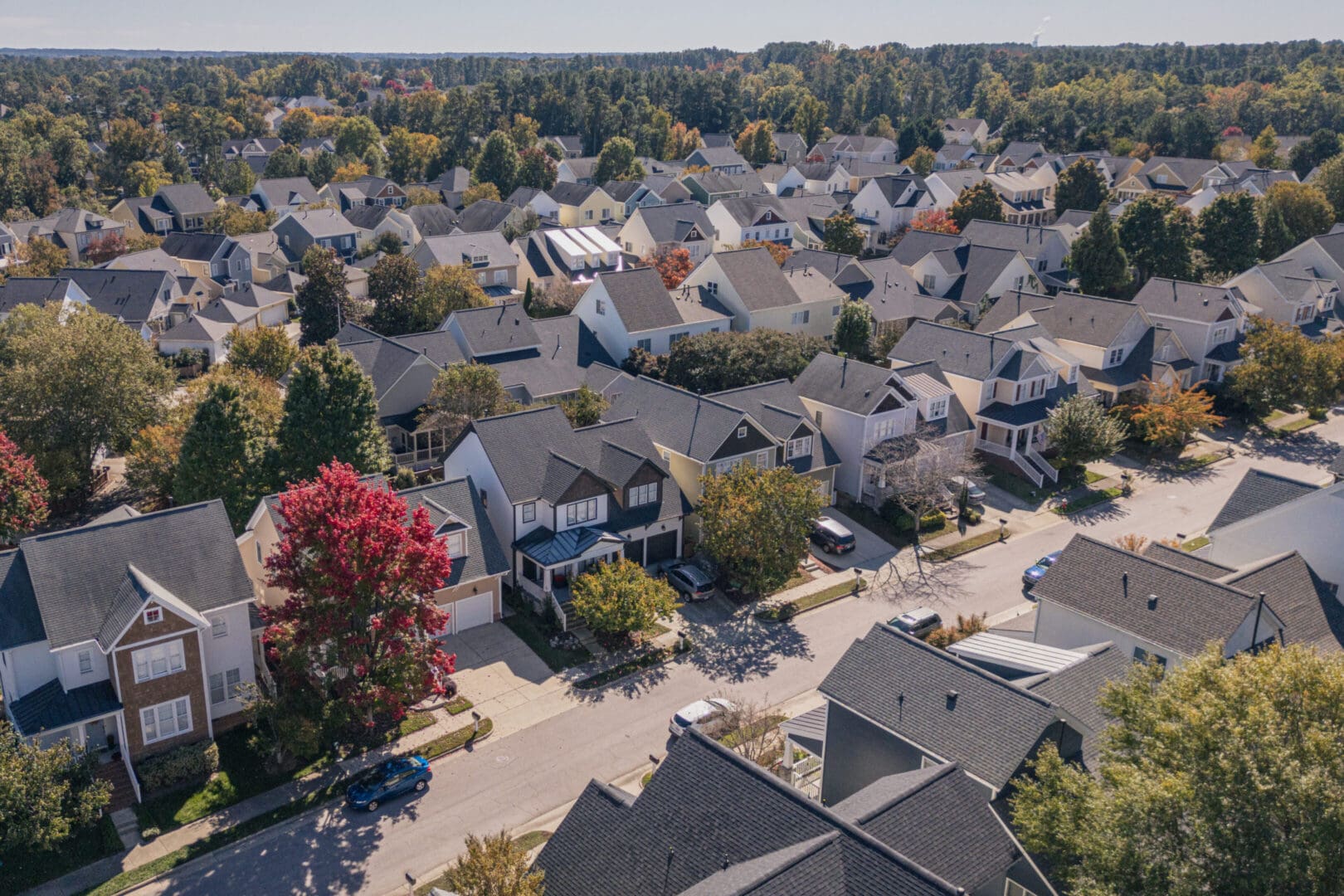
A Strategic Framework Smart Buyers Use to Protect Value and Avoid Regret
Introduction: The House Can Change. The Neighborhood Cannot.
You can remodel a kitchen.
You can replace flooring.
You can repaint walls.
But you cannot:
- Move the highway
- Change the school district
- Reduce property taxes
- Improve surrounding upkeep
- Control future development
Location is the single most powerful driver of long-term property value.
Smart buyers research the neighborhood before they analyze the house.
If you haven’t yet, start with The Complete First-Time Buyer Roadmap so you understand how neighborhood research fits into the larger buying strategy.
Why Neighborhood Research Matters More Than You Think
When buyers regret purchases, it’s often not because of the home itself.
It’s because of:
- Traffic patterns
- Noise
- Crime perception
- School quality
- HOA issues
- Unexpected development nearby
- Poor resale demand
The neighborhood determines:
- Appreciation potential
- Liquidity when you sell
- Buyer demand
- Long-term stability
Research reduces emotional mistakes.
Step 1: Understand Local Property Value Trends
Before making an offer, examine:
1. Are Home Values Increasing, Flat, or Declining?
Look at:
- 3–5 year sales history
- Average days on market
- Price per square foot trends
- Inventory levels
Stable or rising values indicate demand.
Falling prices or extended time-on-market may signal softening demand.
(For full financial evaluation, see How to Analyze a Home Before You Make an Offer.)
2. Is This Home Priced in the Sweet Spot?
Every neighborhood has a price band that sells fastest.
Avoid:
- The most expensive home on the block
- Over-improved properties
- Dramatic pricing outliers
Liquidity protects you later.
Step 2: Evaluate Crime Data (With Perspective)
Safety matters — but interpretation matters too.
Use public resources such as:
- Local police department websites
- Crime mapping tools
- Community forums
Look for:
- Type of crime (property vs. violent)
- Frequency
- Patterns
- Proximity to the specific property
Be cautious about relying solely on anecdotal comments.
Context is important.
Step 3: Research School District Performance
Even if you don’t have children:
School districts strongly influence resale value.
Look at:
- School ratings
- Graduation rates
- Enrollment trends
- Boundary maps
Homes in strong school zones typically:
- Sell faster
- Maintain value better
- Have broader buyer appeal
School quality often acts as an economic stabilizer during downturns.
Step 4: Analyze Property Taxes
Two similar homes can have very different tax burdens.
Check:
- Current tax rate
- Tax reassessment policies
- Exemptions (homestead, senior, etc.)
- Recent increases
Higher taxes impact:
- Monthly affordability
- Long-term ownership cost
- Buyer pool when selling
To see how taxes affect your payment, review How Much House Can You Afford?
Step 5: Study Future Development Plans
What’s being built nearby matters.
Research:
- Zoning maps
- Planned commercial development
- Road expansions
- New schools
- Apartment complexes
- Retail centers
Future development can:
- Increase property value
- Increase traffic
- Change neighborhood character
Check city planning department websites for public development plans.
Step 6: Evaluate Accessibility & Commute Patterns
Commute affects quality of life and resale demand.
Ask:
- How far is the nearest highway?
- Public transit access?
- Traffic congestion patterns?
- Walkability score?
- Proximity to employment centers?
Convenience increases buyer demand.
Isolation narrows it.
Step 7: Drive the Neighborhood at Different Times
Do not rely solely on a daytime showing.
Visit:
- Weekday morning
- Evening rush hour
- Weekend night
Observe:
- Noise levels
- Parking congestion
- Activity patterns
- Neighbor behavior
- Street lighting
Sometimes the difference between 2pm and 10pm is significant.
Step 8: Analyze HOA Rules (If Applicable)
Homeowners Associations can:
- Protect property values
- Create restrictions
Review:
- HOA financial statements
- Reserve funds
- Rules on rentals
- Pet restrictions
- Architectural guidelines
- Upcoming special assessments
Weak HOA reserves can signal future financial exposure.
Step 9: Study Neighborhood Demographics (Carefully)
Understanding demographic trends helps you anticipate demand patterns.
Look at:
- Owner-occupied vs rental ratio
- Population growth trends
- Household income levels
- Turnover rate
Higher owner occupancy often correlates with stronger neighborhood stability.
Step 10: Evaluate Market Liquidity
Liquidity matters.
Ask:
- How quickly do homes sell here?
- Are price reductions common?
- Is inventory rising?
- Are bidding wars common?
If homes consistently sell within 7–14 days, demand is strong.
If homes linger for 60–90+ days, investigate why.
Step 11: Think Like a Future Buyer
Before making an offer, ask:
If I had to sell in 5 years, would this location appeal broadly?
Avoid:
- Being adjacent to commercial zoning
- Being directly next to high-traffic roads
- Being at the bottom of a declining micro-area
Location should protect flexibility.
Step 12: Balance Data with Personal Fit
Data is important.
But lifestyle fit matters too.
Ask yourself:
- Does this neighborhood align with my daily routine?
- Do I feel comfortable here?
- Does it match my long-term goals?
Emotional alignment + analytical confidence = strong decision.
Common Neighborhood Research Mistakes
- Only visiting once
- Ignoring tax differences
- Not checking zoning changes
- Assuming school quality doesn’t matter
- Relying solely on online ratings
- Failing to analyze resale risk
Preparation prevents regret.
How Neighborhood Research Connects to the Buying Process
Neighborhood research should happen:
After pre-approval
Before writing an offer
Review:
- The Power of Mortgage Pre-Approval
- How to Analyze a Home Before You Make an Offer
- Understanding Closing Costs
Buying smart is about layering information.
Final Thoughts: Location Is Leverage
A beautiful house in a weak location may struggle to appreciate.
A modest house in a strong location often outperforms long-term.
The goal is not perfection.
The goal is:
✔ Stability
✔ Demand
✔ Resale flexibility
✔ Financial protection
When you research thoroughly, you buy with confidence — not hope.
Ready to Take the Next Step Toward Homeownership?
If you’re preparing to buy a home, understanding your financing options is an important next step. Mortgage Research Center can help you explore mortgage options and learn more about financing your home purchase.

Explore Home Financing Options →https://www.dpbolvw.net/click-101849128-17168348
YourRealEstateAdviser.com may receive compensation when you use links on this page. This does not affect the information or recommendations we provide.

Article Disclaimer
The information provided in this article by YourRealEstateAdviser.com is for informational and educational purposes only and should not be considered legal, financial, real estate, or professional advice.
While we strive to provide accurate and up-to-date information related to real estate, markets, buying, selling, and investing, we make no guarantees regarding the completeness, accuracy, or reliability of any content.
Real estate decisions involve significant financial and legal considerations. You should consult with a licensed real estate agent, attorney, financial advisor, or other qualified professional in Kentucky or your applicable jurisdiction before making any decisions.
Any examples, projections, or potential outcomes discussed are illustrative only and are not guarantees of results. Your outcomes may vary based on market conditions and individual circumstances.
This article may contain affiliate links. We may earn a commission at no additional cost to you if you choose to make a purchase through these links.
By reading this article, you acknowledge that you are solely responsible for your decisions and actions.