
Why Your Breaker Keeps Tripping
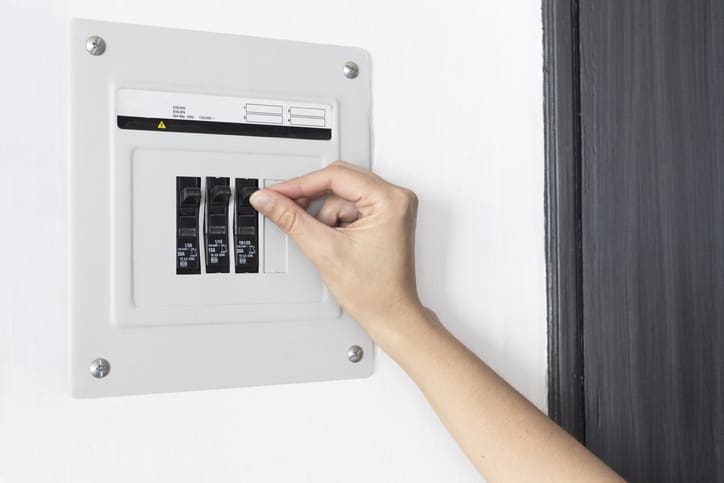
Circuit breakers trip when they detect unsafe electrical conditions. While occasional breaker trips are normal, frequent tripping usually indicates a problem that needs attention.
Identifying the cause helps prevent potential hazards.
Overloaded Circuits
One of the most common causes of breaker trips is circuit overload.
This occurs when too many devices draw power from the same circuit.
Examples include:
- Multiple appliances on one outlet
- Space heaters and large appliances sharing circuits
- Power strips connected to overloaded outlets
Reducing the number of devices on the circuit can help.
Short Circuits
A short circuit occurs when a hot wire touches a neutral wire.
This causes a sudden surge of electrical current, triggering the breaker.
Short circuits often occur due to:
- Damaged wiring
- Faulty appliances
- Loose connections
Short circuits should be inspected by an electrician.
Ground Faults
Ground faults occur when electricity escapes the intended circuit and travels through unintended paths, such as metal surfaces.
This can be dangerous because it may cause electrical shock.
GFCI outlets and breakers are designed to detect ground faults.
Faulty Appliances
Sometimes an appliance itself causes breaker trips.
Appliances with damaged wiring or motors may draw excessive electrical current.
Testing appliances individually can help identify the problem.
Aging Electrical Panels
Older electrical panels may struggle to handle modern electrical demands.
If breaker trips occur frequently throughout the home, the panel may need upgrading.
Final Thoughts
Frequent breaker trips should not be ignored. Identifying the cause helps prevent electrical hazards and ensures your home’s electrical system operates safely.
Need Professional Help?
Some home projects are better handled by a professional. Angi can help you find local professionals for repairs, maintenance, remodeling, and other home projects. Click the link below to find a local pro in your area.

Find a Local Pro →https://www.anrdoezrs.net/click-101849128-17142831
Affiliate disclosure: We may earn compensation if you use links on this page.

Article Disclaimer
The information provided in this article by YourRealEstateAdviser.com is for informational and educational purposes only and should not be considered legal, financial, real estate, or professional advice.
While we strive to provide accurate and up-to-date information related to real estate, markets, buying, selling, and investing, we make no guarantees regarding the completeness, accuracy, or reliability of any content.
Real estate decisions involve significant financial and legal considerations. You should consult with a licensed real estate agent, attorney, financial advisor, or other qualified professional in Kentucky or your applicable jurisdiction before making any decisions.
Any examples, projections, or potential outcomes discussed are illustrative only and are not guarantees of results. Your outcomes may vary based on market conditions and individual circumstances.
This article may contain affiliate links. We may earn a commission at no additional cost to you if you choose to make a purchase through these links.
By reading this article, you acknowledge that you are solely responsible for your decisions and actions.