
When to Hire a Tree Removal Service
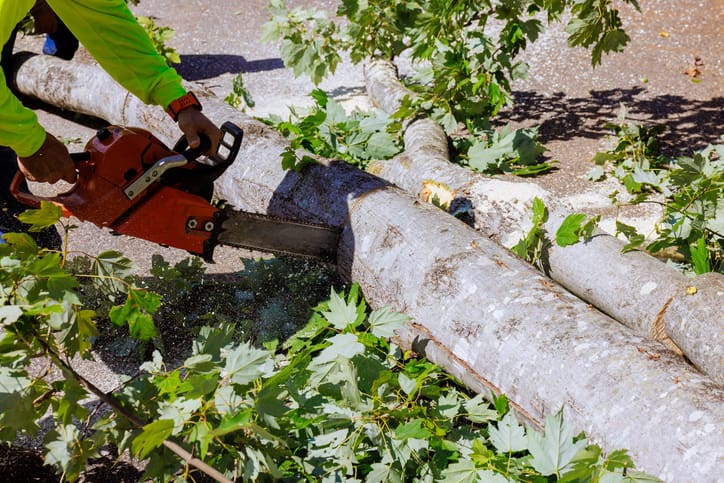
Trees add beauty and shade to a property, but sometimes they become dangerous or unhealthy. Tree removal services specialize in safely removing trees that pose risks to homes and property.
Dead or Dying Trees
Dead trees become brittle and unstable.
Signs a tree may be dying include:
- Large sections without leaves
- Cracked or peeling bark
- Fungal growth on the trunk
- Large dead branches
Dead trees should be removed to prevent falling hazards.
Trees Leaning Toward Structures
Trees that lean toward homes, garages, or power lines may become dangerous during storms.
Strong winds can cause weakened trees to fall unexpectedly.
Professional removal helps prevent property damage.
Storm-Damaged Trees
Severe weather can damage tree trunks and branches.
Storm damage may include:
- Split trunks
- Broken branches
- Uprooted trees
Damaged trees may need removal if they become unstable.
Roots Damaging Property
Large tree roots can damage sidewalks, driveways, and building foundations.
In some cases, removing the tree may be necessary to prevent structural damage.
Trees Growing Too Close to Power Lines
Trees growing into power lines pose serious safety hazards.
Utility companies or tree professionals should handle removal in these situations.
Why Hire Professional Tree Services
Tree removal is dangerous and requires specialized equipment.
Professional tree removal services have:
- Safety equipment
- Climbing gear
- Chainsaws and cutting tools
- Experience handling large trees
Attempting to remove large trees without professional help can be extremely risky.
Final Thoughts
Tree removal services help eliminate dangerous or unhealthy trees safely. If a tree poses a risk to your home or property, consulting a professional arborist or tree removal service is the safest option.

Article Disclaimer
The information provided in this article by YourRealEstateAdviser.com is for informational and educational purposes only and should not be considered legal, financial, real estate, or professional advice.
While we strive to provide accurate and up-to-date information related to real estate, markets, buying, selling, and investing, we make no guarantees regarding the completeness, accuracy, or reliability of any content.
Real estate decisions involve significant financial and legal considerations. You should consult with a licensed real estate agent, attorney, financial advisor, or other qualified professional in Kentucky or your applicable jurisdiction before making any decisions.
Any examples, projections, or potential outcomes discussed are illustrative only and are not guarantees of results. Your outcomes may vary based on market conditions and individual circumstances.
This article may contain affiliate links. We may earn a commission at no additional cost to you if you choose to make a purchase through these links.
By reading this article, you acknowledge that you are solely responsible for your decisions and actions.