
How to Prevent Frozen Pipes in Winter
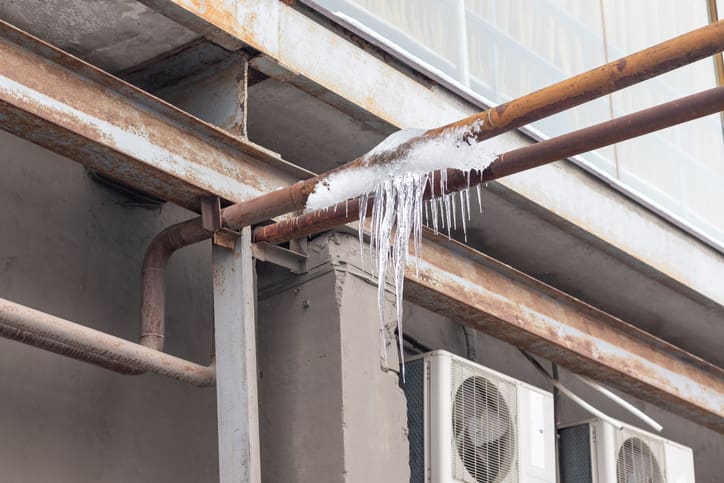
Frozen pipes are a serious concern during cold weather. When water freezes inside pipes, it expands and can cause the pipe to crack or burst.
A burst pipe can release large amounts of water and cause extensive property damage.
Fortunately, there are several steps homeowners can take to reduce the risk of frozen pipes.
Insulate Exposed Pipes
Pipes located in unheated areas such as basements, garages, crawl spaces, and attics are especially vulnerable.
Insulating these pipes with foam pipe insulation helps retain heat and prevent freezing.
Keep Indoor Temperatures Consistent
Even if you leave your home for an extended period, avoid turning the heat off completely.
Maintaining indoor temperatures above 55°F (13°C) helps protect plumbing systems from freezing.
Let Faucets Drip During Extreme Cold
Allowing faucets to drip slightly during extremely cold temperatures helps keep water moving through the pipes.
Moving water is less likely to freeze than stagnant water.
Open Cabinet Doors
Pipes under kitchen and bathroom sinks may be located near exterior walls.
Opening cabinet doors allows warm air to circulate around the pipes and helps prevent freezing.
Seal Drafts Around Pipes
Cold air entering through cracks or openings can increase the risk of frozen pipes.
Check areas where pipes enter walls or foundations and seal gaps with insulation or caulk.
Disconnect Outdoor Hoses
Outdoor faucets are particularly vulnerable to freezing.
Before winter:
- Disconnect garden hoses
- Shut off exterior water valves if available
- Drain outdoor faucets
This helps prevent water from freezing inside exterior plumbing.
What to Do if Pipes Freeze
If you suspect a pipe has frozen:
- Turn on the faucet connected to the pipe.
- Apply gentle heat using a hair dryer or heating pad.
- Never use open flames or torches.
If the pipe has already burst, shut off the main water supply and contact a plumber immediately.
Final Thoughts
Preventing frozen pipes is much easier than dealing with the damage caused by a burst pipe. With proper insulation, consistent heating, and simple winter precautions, homeowners can significantly reduce the risk of frozen plumbing during cold weather.
Need Professional Help?
Some home projects are better handled by a professional. Angi can help you find local professionals for repairs, maintenance, remodeling, and other home projects. Click the link below to find a local pro in your area.

Find a Local Pro →https://www.tkqlhce.com/click-101849128-17141194
Affiliate disclosure: We may earn compensation if you use links on this page.

Article Disclaimer
The information provided in this article by YourRealEstateAdviser.com is for informational and educational purposes only and should not be considered legal, financial, real estate, or professional advice.
While we strive to provide accurate and up-to-date information related to real estate, markets, buying, selling, and investing, we make no guarantees regarding the completeness, accuracy, or reliability of any content.
Real estate decisions involve significant financial and legal considerations. You should consult with a licensed real estate agent, attorney, financial advisor, or other qualified professional in Kentucky or your applicable jurisdiction before making any decisions.
Any examples, projections, or potential outcomes discussed are illustrative only and are not guarantees of results. Your outcomes may vary based on market conditions and individual circumstances.
This article may contain affiliate links. We may earn a commission at no additional cost to you if you choose to make a purchase through these links.
By reading this article, you acknowledge that you are solely responsible for your decisions and actions.