
How to Install a GFCI Outlet
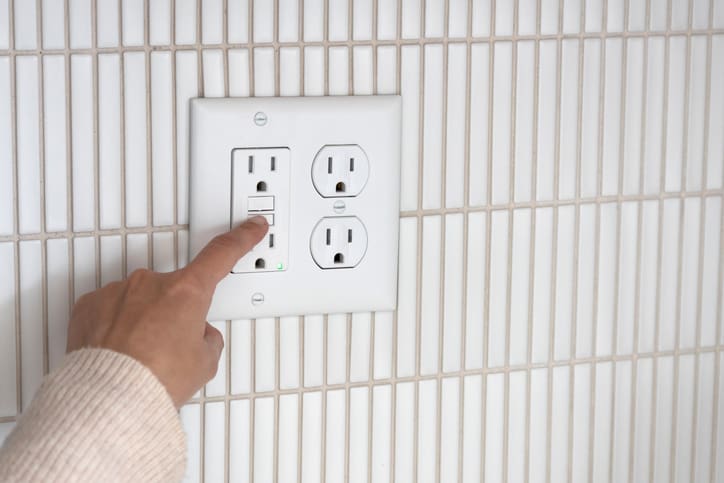
A Ground Fault Circuit Interrupter (GFCI) outlet is designed to protect people from electrical shock. These outlets automatically shut off power when they detect an imbalance in electrical current.
GFCI outlets are commonly installed in areas where water and electricity may come into contact.
Where GFCI Outlets Are Required
Modern electrical codes require GFCI protection in several locations, including:
- Bathrooms
- Kitchens (near sinks)
- Garages
- Outdoor outlets
- Basements
- Laundry rooms
Installing GFCI outlets in these areas helps reduce the risk of electrical shock.
Tools and Materials Needed
Before beginning installation, gather the following tools:
- GFCI outlet
- Screwdriver
- Voltage tester
- Wire stripper
- Electrical tape
- Outlet cover plate
Make sure the new outlet matches the circuit’s voltage rating.
Step 1: Turn Off Power
Turn off the circuit breaker that supplies power to the outlet.
Use a voltage tester to confirm the outlet has no electrical current before working.
Step 2: Remove the Old Outlet
Unscrew the outlet cover plate and remove the existing outlet from the electrical box.
Carefully pull the outlet outward to access the wiring.
Take note of how the wires are connected.
Step 3: Connect the Wires to the GFCI Outlet
GFCI outlets have labeled terminals.
Typical connections include:
- Black wire (hot) to the brass terminal
- White wire (neutral) to the silver terminal
- Ground wire to the green terminal
Some GFCI outlets also include “line” and “load” terminals for protecting additional outlets.
Step 4: Secure the Outlet
Carefully push the wiring back into the electrical box.
Screw the GFCI outlet into place and attach the cover plate.
Step 5: Restore Power and Test
Turn the breaker back on and press the TEST button on the GFCI outlet.
If the outlet shuts off power properly, press RESET to restore power.
Testing confirms the safety feature works correctly.
Final Thoughts
GFCI outlets are an important safety upgrade for homes. Proper installation helps prevent electrical shocks in areas where moisture is present.
Need Professional Help?
Some home projects are better handled by a professional. Angi can help you find local professionals for repairs, maintenance, remodeling, and other home projects. Click the link below to find a local pro in your area.

Find a Local Pro →https://www.anrdoezrs.net/click-101849128-17142831
Affiliate disclosure: We may earn compensation if you use links on this page.

Article Disclaimer
The information provided in this article by YourRealEstateAdviser.com is for informational and educational purposes only and should not be considered legal, financial, real estate, or professional advice.
While we strive to provide accurate and up-to-date information related to real estate, markets, buying, selling, and investing, we make no guarantees regarding the completeness, accuracy, or reliability of any content.
Real estate decisions involve significant financial and legal considerations. You should consult with a licensed real estate agent, attorney, financial advisor, or other qualified professional in Kentucky or your applicable jurisdiction before making any decisions.
Any examples, projections, or potential outcomes discussed are illustrative only and are not guarantees of results. Your outcomes may vary based on market conditions and individual circumstances.
This article may contain affiliate links. We may earn a commission at no additional cost to you if you choose to make a purchase through these links.
By reading this article, you acknowledge that you are solely responsible for your decisions and actions.